If you don't smell your own perfume but still notice others', don't worry. It's not that your fragrance has suddenly "faded," but that your brain has learned to ignore it. This phenomenon, known as olfactory fatigue, occurs when we are exposed to a scent for long enough that it no longer brings new information. The good news? You can reduce it and enjoy your perfumes more.

What is olfactory fatigue and how you can avoid it?
Perfumer Ramón Monegal explains it this way: "Smell exists because it transmits information. It's one of nature's great miracles." The nose works out of curiosity and, "when it becomes saturated, it switches off," he warns.
That's why, a new perfume always feels more intense at first. "If you wear the same perfume for a while, your sense of smell gets bored and you stop noticing it, while others still do. And even if you apply more, you still won't smell it," he explains. His advice is simple: rotate your perfumes to avoid habituation.
This can also happen when you try several perfumes in a row, a phenomenon closer to olfactory saturation. It feels the same as fatigue because the result is identical: we stop smelling clearly. His recommendation? Take a break and step outside. "Smelling coffee beans doesn't help at all, you need to air out your nose," he adds.
Perfume is part of the image we project today. Just as you change your makeup or clothes, your "olfactory image" can change too.
"Smelling coffee beans is useless, it doesn't clear odors. When you're overwhelmed, you have to air out your nose and, after a while, smell again," explains perfumer Ramón Monegal.


How to test perfumes like a professional
Perfumers train their noses for years to avoid olfactory fatigue, but you can start with these simple steps:
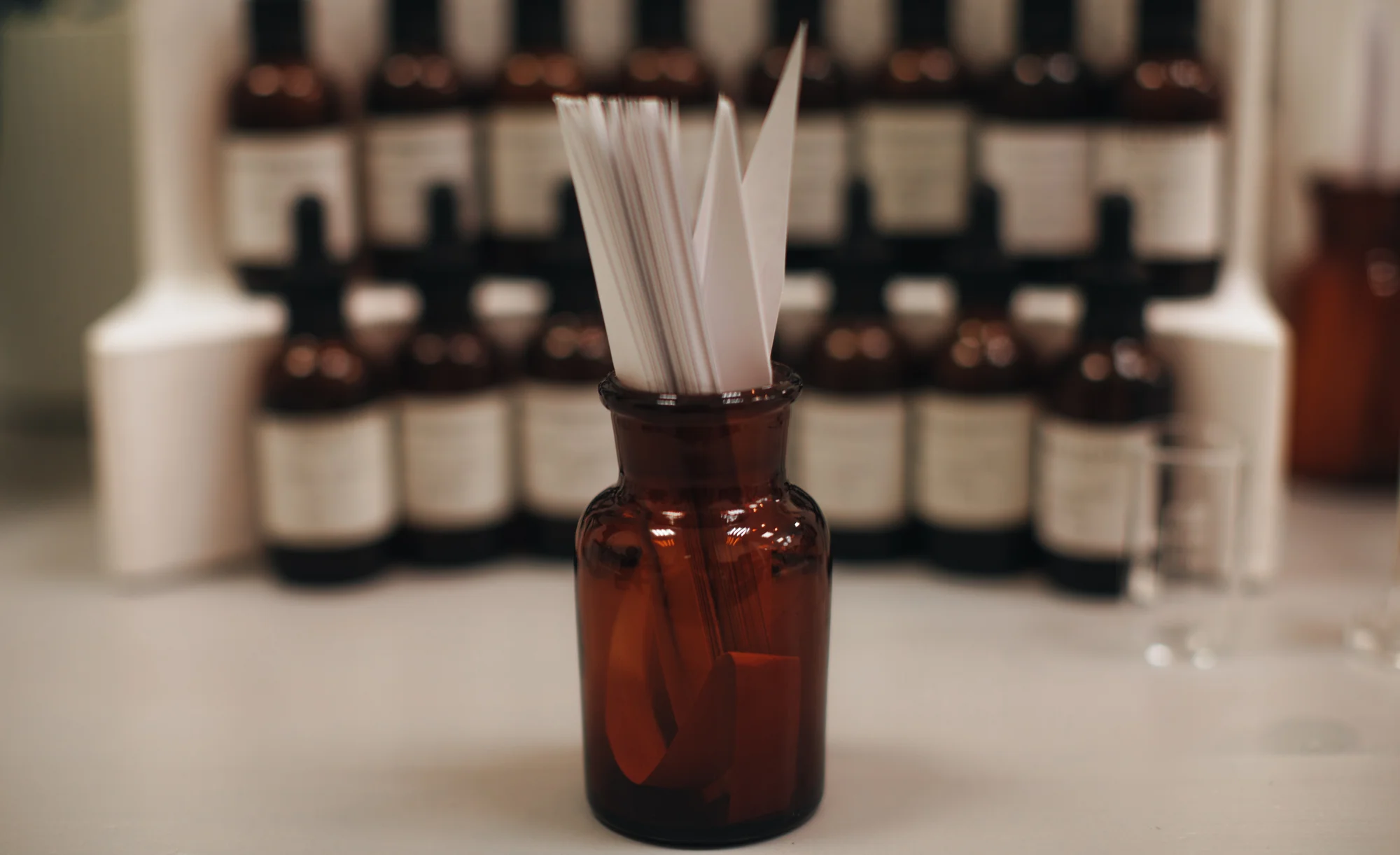
1. Use a mouillette (blotting strip) to observe how the fragrance evolves.
2. Inhale in short, gentle breaths rather than deep ones.
3. Rest between tests by ventilating the space or going outside (no coffee!).
Did you know that perfumers actually use olfactory fatigue to better detect the nuances that distinguish very similar fragrances? They saturate the nose with one scent, then smell another to identify subtle differences more clearly.
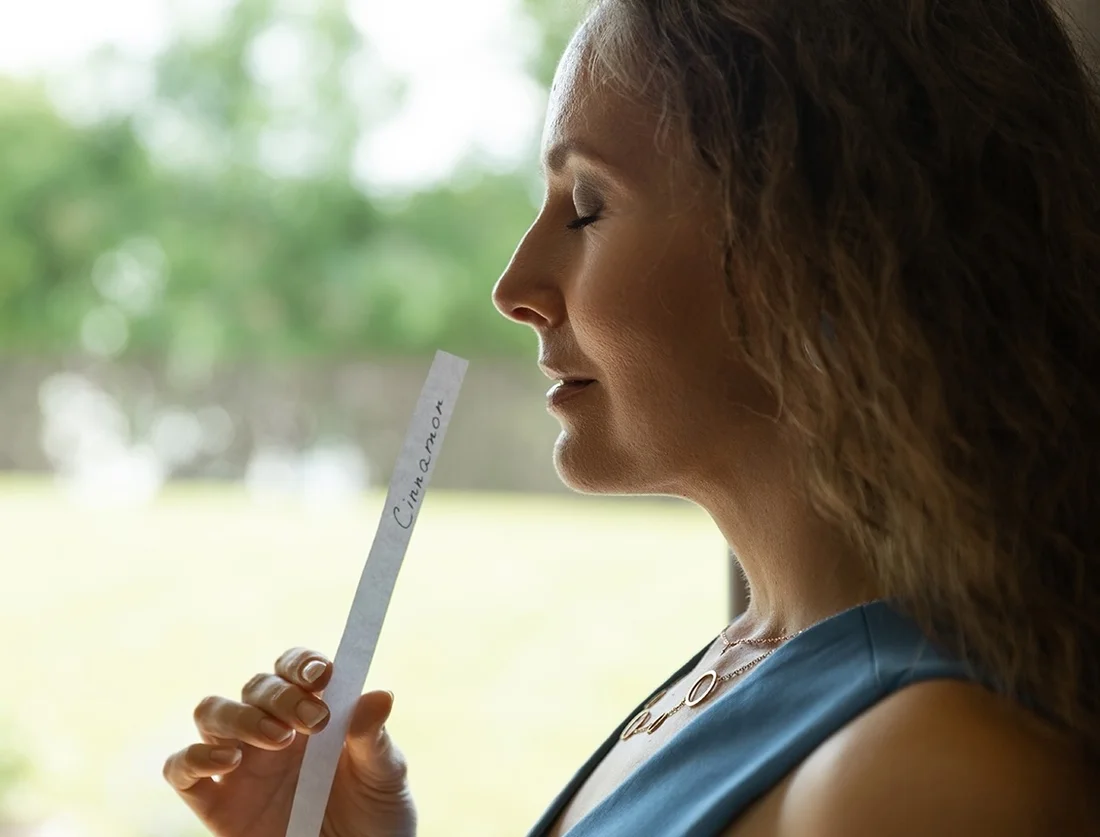
How to properly smell a mouillette:
1. Hold the strip a few centimeters from your nose (don't press it too close).
2. Smell it several times over a few minutes to follow its evolution.
3. Avoid touching the scented area.
Tip: Try no more than three to five perfumes at a time to prevent olfactory fatigue.
How to avoid olfactory fatigue in everyday life
Enjoy your fragrances without falling into the trap of thinking they "don't last":
1. Don't overuse perfume.
Applying more doesn't make you smell it more; it only speeds up saturation.
2. Alternate fragrances
Rotating your perfumes (one for daytime, another for evenings, another for weekends) prevents your brain from getting used to the same olfactory pattern.
3. Combine skin and fabric
On skin, perfume evolves more. On clothing, some molecules adhere better and project more.
4. Don't reapply compulsively
If you don't smell it, others do. Reapply only when you truly need to.
5. Watch your environment
Strong air fresheners, candles, or fabric softeners can overwhelm your sense of smell in the background. Fewer stimuli will help you enjoy your perfumes more.
The next time you feel that your perfume has "disappeared", don't blame the fragrance or your skin. It's simply your brain adapting and prioritizing new stimuli.