The answer requires nuances. Because what some interpret as decline is, in reality, a paradigm shift. Niche perfumery is not languishing, but rather transforming and redefining itself, breaking away from the most rigid and traditional frameworks, in response to a new generation of consumers who demand authenticity and emotion.
Today, many independent houses prefer to claim the term haute perfumery to emphasize their role as guardians of olfactory creativity, excellence in raw materials, and aesthetic coherence. A designation that highlights an aspiration: to elevate perfume to the status of art, not just a simple product.
A category in transformation
The term niche perfume was coined to designate those houses that worked outside the dictates of mass marketing. However, the growth of the category has multiplied the labels. "Author perfume" focuses on the creative vision of the perfumer, while "confidential perfumery" refers to its selective and discreet distribution, and the term "indie" emphasizes its independence. All of them agree in defending the creator's freedom against commercial expectations.
The current paradox is that, as niche brands gain visibility, the boundary between niche and luxury becomes blurred. Many brands that were born as disruptors now operate with global structures and extensive distribution networks. In some cases, it could be said that certain niche brands have become mainstream.
"As a perfumer, niche represents creative freedom. It is the pleasure of working with fewer restrictions, having fun formulating, and being able to explore ideas in a more instinctive and expressive way," explains perfumer Jérôme di Marino, who values the emotional connection of this type of fragrance.
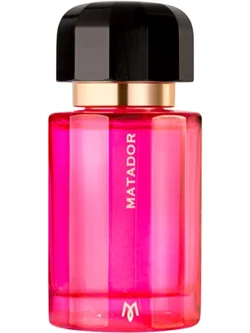
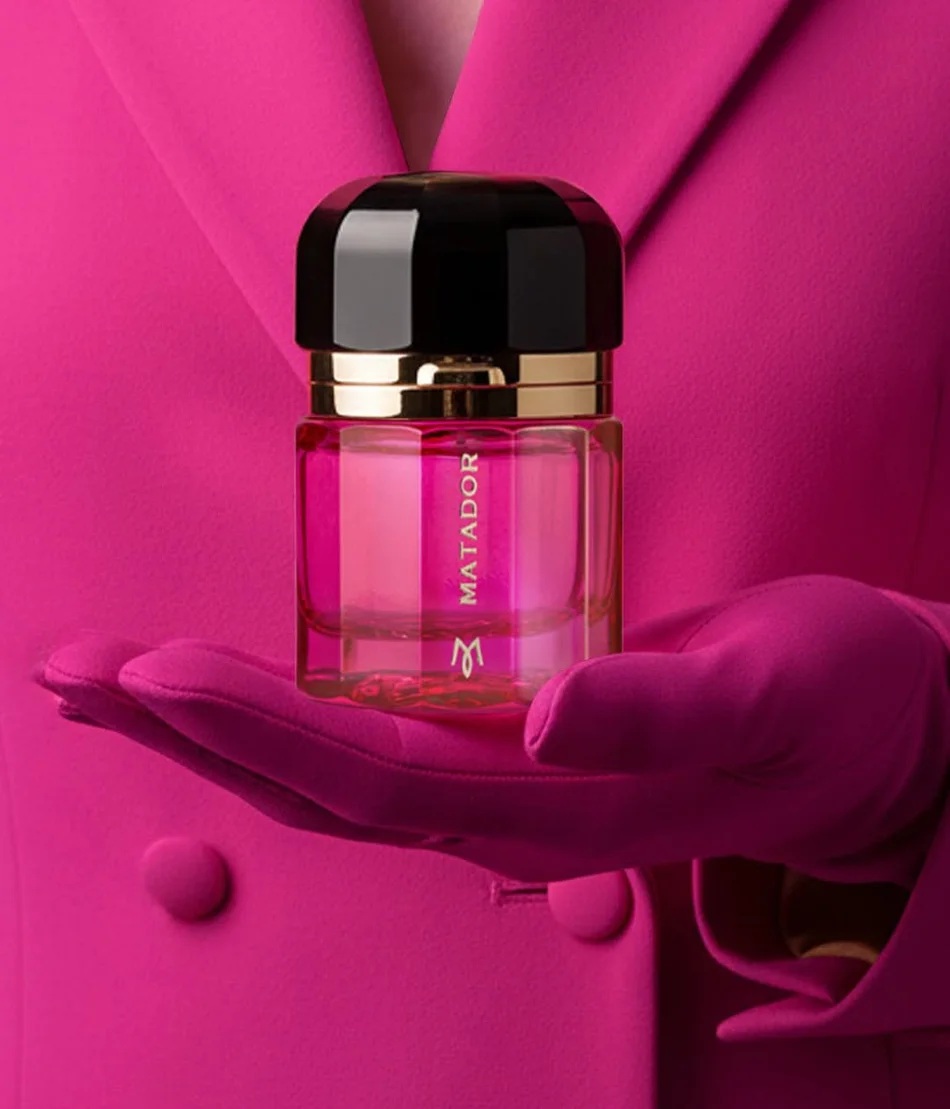
For perfumer Ramón Monegal, niche perfume is "something akin to art." Therefore, it has to be free and alternative and seek direct contact with its customers through specialized distribution.
The perfumer Jérôme di Marino explains that the niche represents creative freedom: "It is the pleasure of working with fewer restrictions, having fun formulating, and being able to explore ideas in a more instinctive and expressive way."

Brief history of a silent revolution
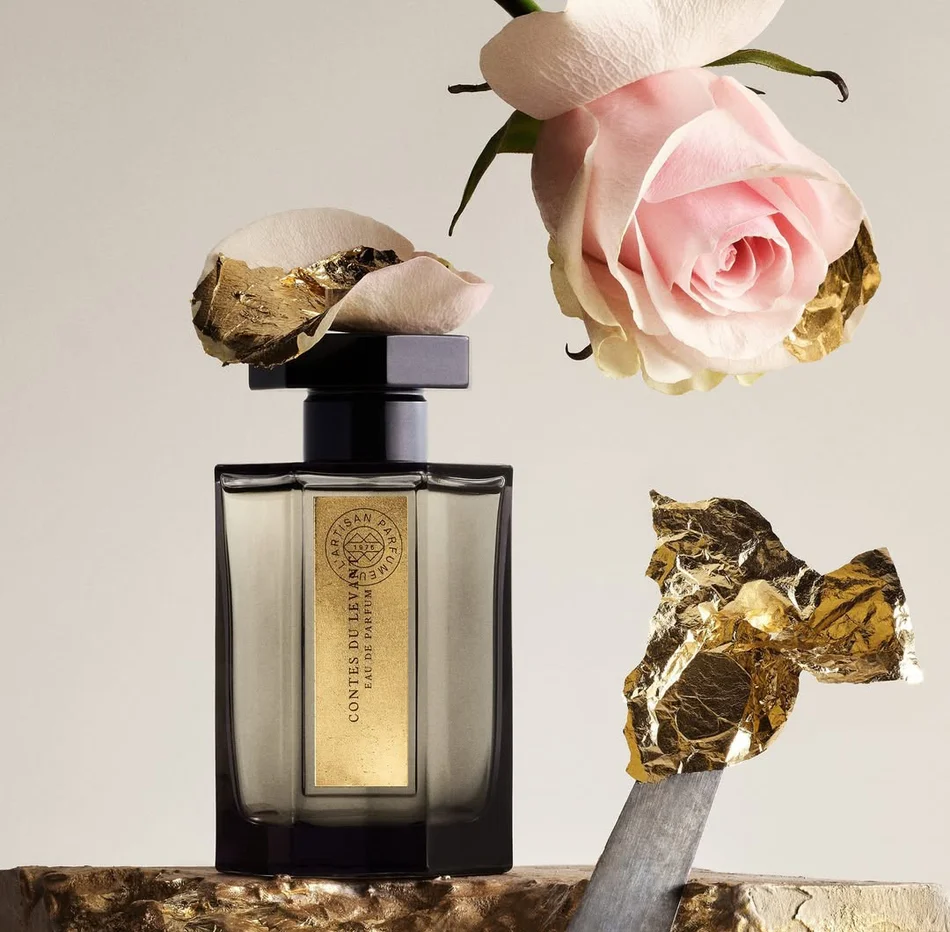
To understand the evolution of niche perfume, it is useful to go back to the origins. In the 1970s, when botanist Jean-François Laporte founded L'Artisan Parfumeur, considered the first modern independent house. In a cultural context marked by counterculture and creative freedom, he placed perfume at the center of the project.
In the 1980s, Annick Goutal brought a more intimate vision compared to the intense floral-oriental compositions of the decade.
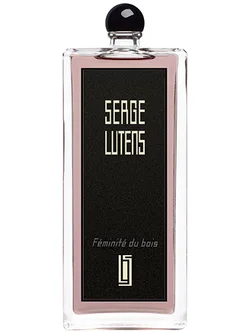
The 1990s were marked by Serge Lutens, whose work inaugurated an artistic and deeply personal olfactory narrative. In 2000, Frédéric Malle revolutionized the sector with his concept of perfume editor, returning prominence to the perfumers.
Since then, new independent houses have driven the expansion of the movement, transforming niche into a global phenomenon. As Ramón Monegal summarizes: "Niche has gone from being something totally anecdotal to an unstoppable success. At first it was very minoritarian, almost artisanal, with very little business. Today it is unstoppable."
Has the niche lost its soul?
Between 2010 and 2020, many historic brands were absorbed by international conglomerates. They gained media and distribution, but some critics point out that they lost part of their creative freedom. The niche became desirable and profitable. Social networks amplified their reach and turned certain launches into viral phenomena.
This process has generated an inevitable tension: when an independent house scales globally, can it still truly remain niche? Survival no longer depends solely on occasional commercial successes, but on building a coherent legacy. As numerous experts point out, the firms that will endure are those capable of combining creative integrity, technical excellence, and long-term brand vision.
Some voices even predict a return to the radical authenticity championed by the pioneers.
Is there a future for creative perfumery within large companies? “There could be, but I don't believe so. The reality is that security and investment profits will always prevail. Perhaps AI will have to convince them otherwise,” emphasizes Monegal. On the other hand, for Di Marino, what matters is the brief: “Artistic vision does not disappear with scale.”

Niche perfumery icons
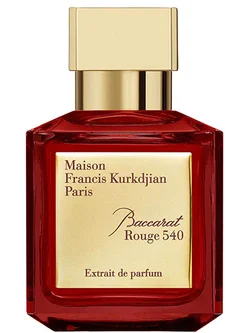
However, the global success of certain houses demonstrates that growth does not necessarily imply a loss of identity. Brands like Parfums de Marly, Xerjoff, Maison Francis Kurkdjian, or Kilian have managed to scale while maintaining strong brand codes and a recognizable olfactory DNA.
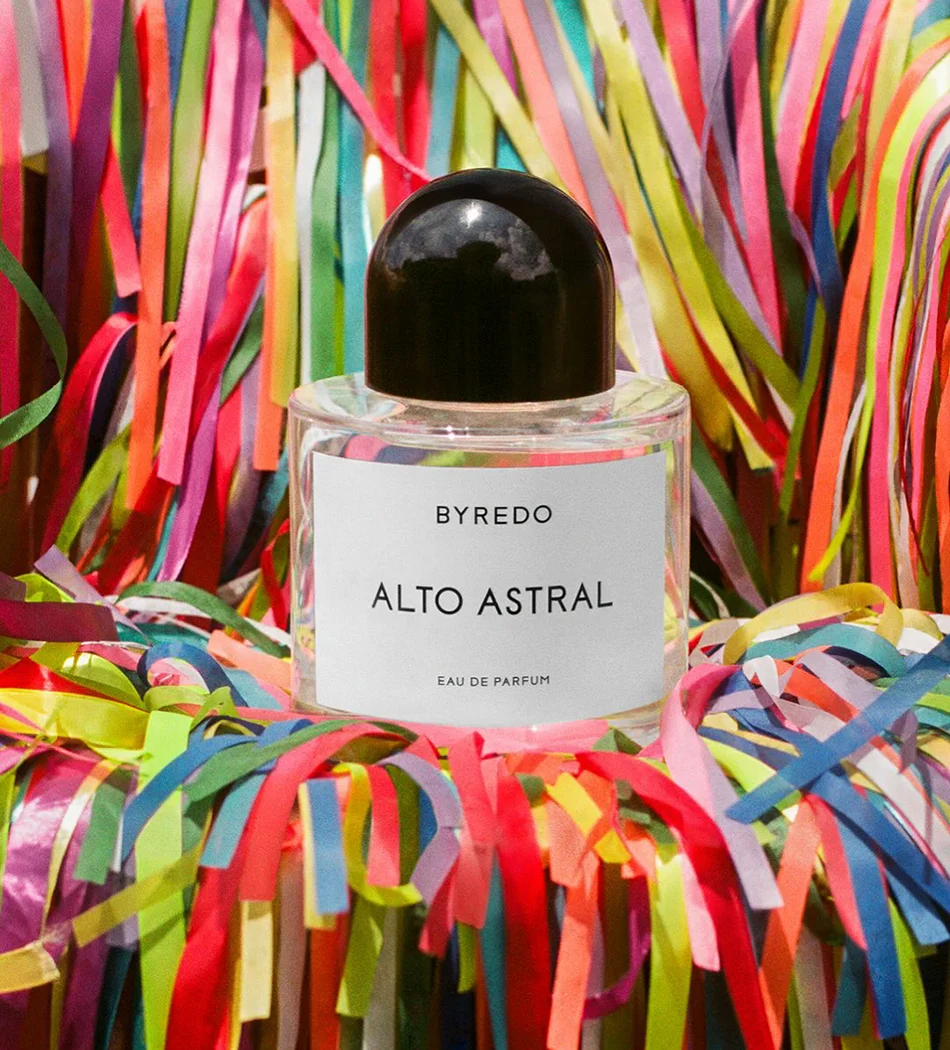
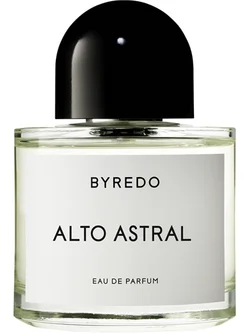
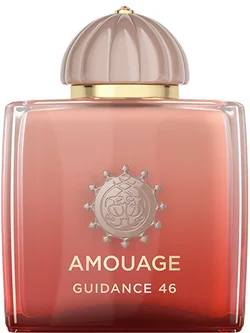
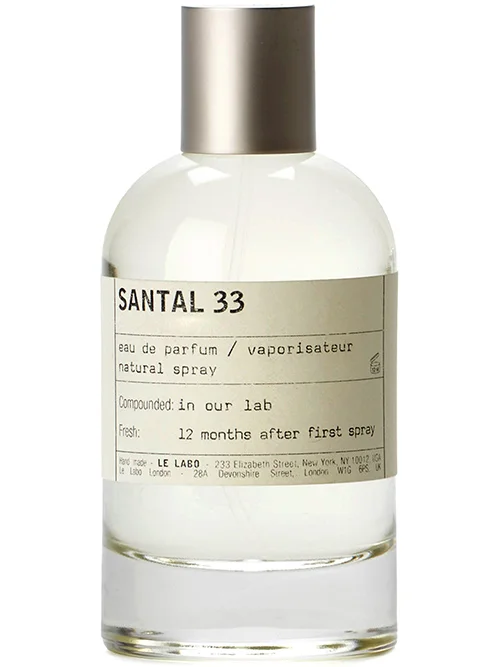
Likewise, houses such as Byredo, Le Labo, or Amouage have shown that selective distribution, experiential retail, and distinctive olfactory identities allow growth without betraying the creative essence.
These brands remind us that the founder's vision remains crucial: they are not built solely on successful launches, but on a coherent and recognizable point of view over time.
"Generation Z has entered niche perfumery with a strength and boldness in their tastes and demands that forces us to innovate," explains perfumer Ramón Monegal.

A heterogeneous future for high perfumery
Today, niche houses are more aware of their economic and media dimension but continue to function as a laboratory of innovation against the standardization of the market.
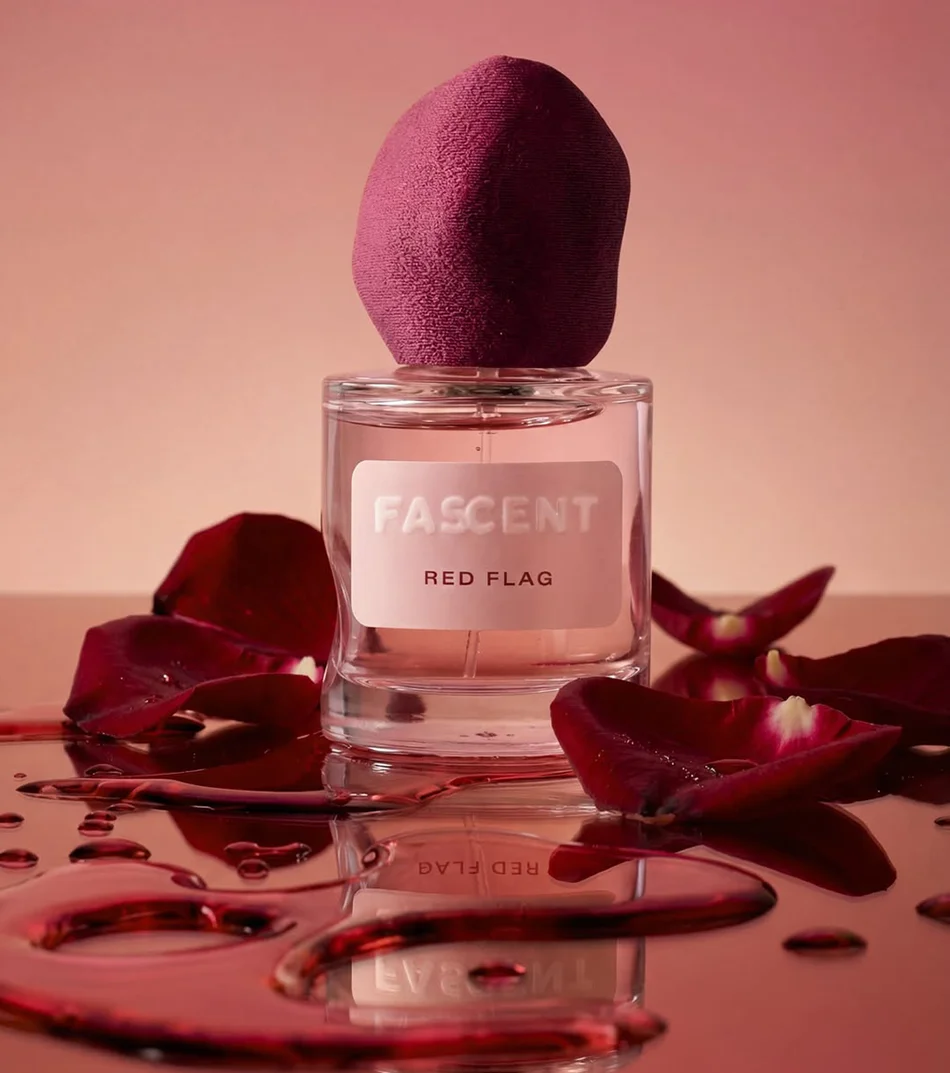
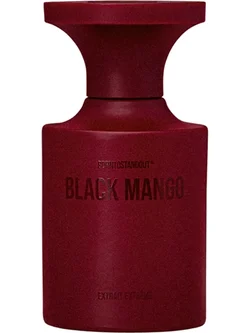
In this new creative cycle, proposals such as Fascent, focused on layering and emotional personalization; Fomowa Paris, which reinterprets haute patisserie in an olfactory key; the provocative Korean brand Born To Stand Out, with conceptual and provocative compositions; and Archétype, which explores psychological archetypes to connect with contemporary identity, stand out.
The rise of new consumers is also driving this evolution. As Ramón Monegal points out, Generation Z has entered the sector with a bolder attitude that pushes innovation with new ingredients, accords, and formats.
Returning to the question we asked at the beginning about whether niche perfume has died, we can rather affirm that it has changed its skin. It has gained visibility and cultural relevance, but it still has the responsibility of being a guarantor of olfactory creativity. Times change, but the drive that originated it, the pursuit of a unique beauty perfumery, remains more alive than ever.